
Reviewed · BALI TEMPLE TOURS FROM KUTA
Indonesia: Garuda Wisnu Kencana
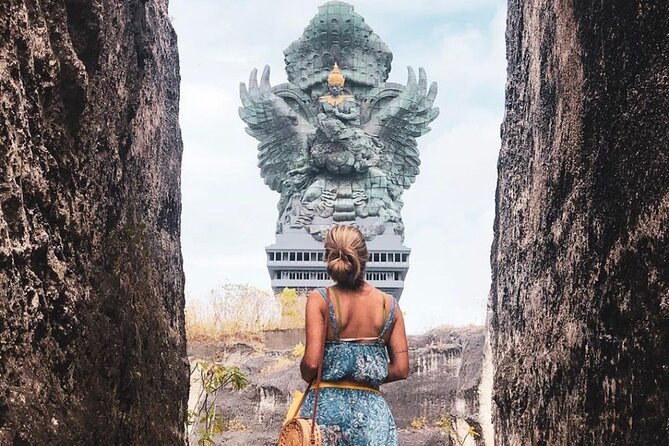
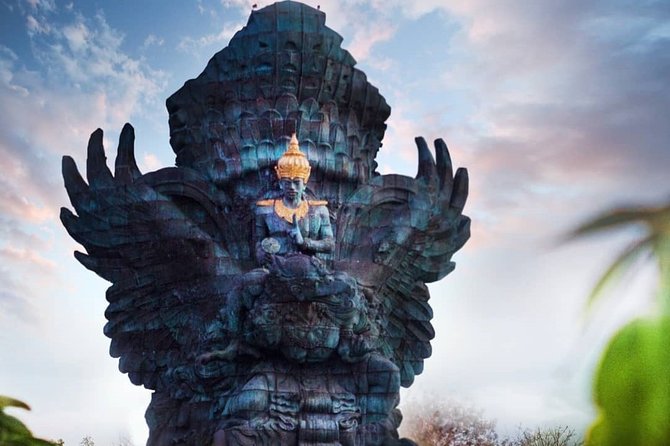
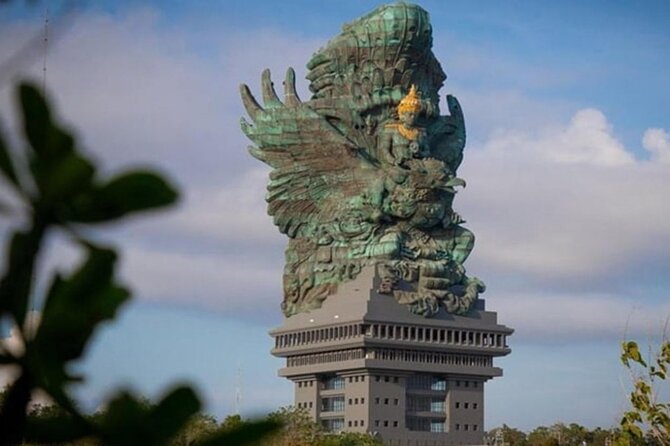
Garuda Wisnu Kencana is built around a huge idea and an even bigger statue: Lord Wisnu riding the mythical Garuda, Indonesia’s national emblem. The copper, brass, and steel monument rises 120.9 meters above Bali, with a 64-meter wingspan and gold mosaic crowns. I like the chance to pair that spectacle with Balinese dance performances and broad views from the Bukit Peninsula. I also like that the park gives you several ways to move around, from walking to Segway rides and scheduled buggy service.
The main caution is value. Admission starts at only $6.22 per person, but some shows or upper-statue visits may cost extra. The park covers 60 hectares, so a short visit can feel incomplete if you do not plan your route and performance times.
Key points to know before you go
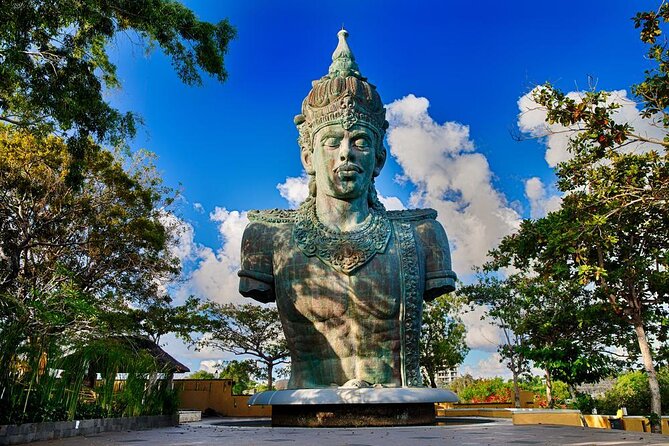
- The 120.9-meter statue is the main event: Wisnu and Garuda form one of Bali’s most recognizable modern monuments.
- Balinese performances run throughout the day: Dance times range from 11:00 WITA through the 18:00 Kecak show.
- A buggy can save time: The park is large, and a scheduled ride every 15 minutes may be more useful than walking everywhere.
- The $6.22 entry price is only a starting point: Check carefully to see if a guided upper-statue visit or special performance is included.
- The best visit lasts two to three hours: Add time if you want several shows, gardens, statues, and a meal.
- The ticket is tied to one arrival: One ticket covers one person and one entry time, and the official ticket arrives separately within 24 hours.
Why Garuda Wisnu Kencana matters
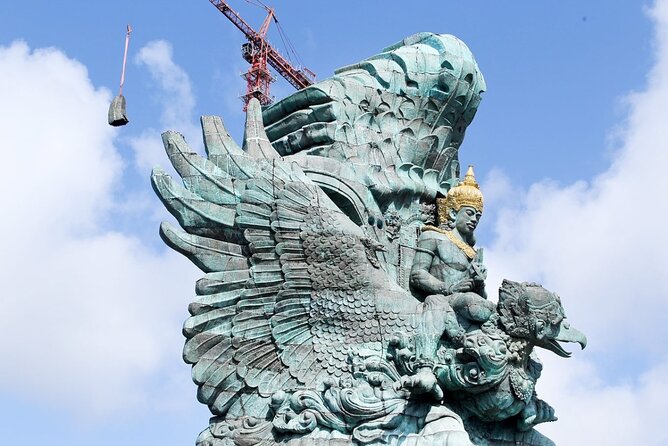
GWK is not an old temple complex. It is a modern cultural park built around Hindu mythology, national identity, and monumental art. That distinction matters. You come here for scale, storytelling, and performance rather than weathered stone or centuries-old ruins.
At the center is Lord Wisnu, a major Hindu deity associated with protection, riding Garuda, the eagle-like figure tied to freedom and loyalty. Garuda is also the national emblem of Indonesia. The pairing gives the statue more meaning than a giant photo stop. It presents a story about duty, protection, and liberation in a form that is easy to understand even if you know little about Balinese or Indonesian culture.
Balinese artist Nyoman Nuarta designed the monument. Its metal construction uses copper, brass, and steel, with gold mosaic details on the crowns. At 120.9 meters, it is taller than the Statue of Liberty and Christ the Redeemer. You will notice the scale first, but the details reward a slower look.
The park itself covers about 60 hectares. That explains both its appeal and its weakness. You get open space, large sculptures, gardens, performance areas, and views, but the site is too spread out for a casual wander if you have only an hour.
More Bali temple days:
- Private Uluwatu Temple and Kecak Fire Dance Evening Tour in Jimbaran Bay
★ 5.0 · 1,199 reviews - Uluwatu Temple Entry and Kecak Fire Dance Ticket
★ 5.0 · 479 reviews - Private Tour Bali Beaches and Uluwatu Temple with Dinner
★ 5.0 · 363 reviews
Entering a 60-hectare cultural park
The included admission gives you access to Garuda Wisnu Kencana Cultural Park. Most people will begin by finding the central statue, then work outward toward the other sculptures, plazas, gardens, and performance spaces.
I would allow two to three hours for a sensible visit. That gives you time to see the monument, catch at least one cultural performance, and walk through parts of the park without racing. If you want several shows, stop for food, or take an upper-statue tour, plan for a longer stay.
The park is near public transportation, and a Grab bike ride from Kuta has been completed in about 30 minutes. That travel time can vary, but the example is useful: GWK is close enough for a quick half-day outing from Kuta rather than a full-day commitment.
Once inside, pay attention to where you are. The park has multiple named areas, including the Amphitheater, Plaza Wisnu, and Lotus Pond. It is easy to spend your first hour at the statue and then discover that the show you wanted is across the grounds.
Seeing Wisnu and Garuda up close
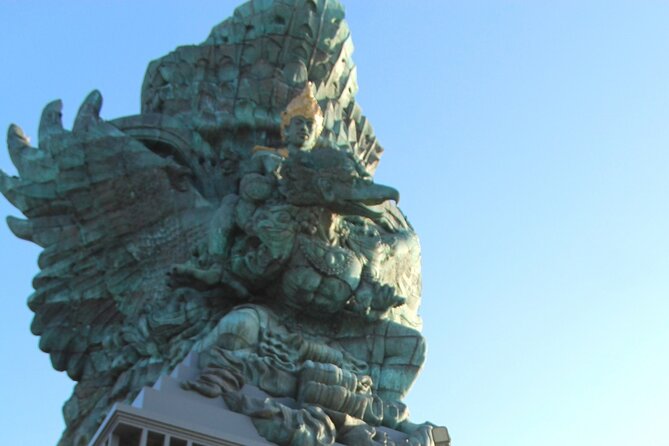
The central statue is the reason to come. From ground level, its height is hard to take in at once. The wings stretch 64 meters, and the figures rise far above the surrounding park. The gold mosaic crowns catch the eye, while the copper, brass, and steel structure gives the monument a more modern look than a traditional stone statue.
You may also find an option that includes a guided visit at the top of the statue. One account describes that as good value, with a guide who explained the site well. Another account points out that the scheduled upper-statue visit can involve about an hour of waiting. That difference is important: the upper visit may add a memorable viewpoint, but it can consume much of a short itinerary.
Ask what your ticket includes before you commit time to the upper section. The basic admission described here does not automatically promise every added experience. If the upper visit is your priority, check its departure schedule first, then fit the rest of the park around it.
The statue is also a strong choice for visitors who want a clear cultural symbol rather than a long museum visit. You can understand the central story quickly, then spend more time looking at the craftsmanship, scale, and setting.
Planning around the Balinese performances
The cultural shows are one of GWK’s strongest reasons to visit, but timing matters. Performances are listed throughout the day, with many taking place every hour in different sections of the park.
At the Amphitheater, the schedule includes:
- 11:00 WITA: Tari Sekar Jepun, Tari Kebyar Duduk, and Topeng Kenyum Manis
- 12:00 WITA: Tari Jauk Keras, Tari Oleg Tamulilingan, and Tari Kebyar Duduk
- 13:00 WITA: Tari Sekar Jepun and Tari Jauk Manis
- 14:00 WITA: Tari Topeng Monyer and Tari Jauk Manis
- 15:00 WITA: Tari Oleg Tamulilingan and Tari Barong-Bojog
At 16:00 WITA, Plaza Wisnu hosts a Balinese cultural parade. Lotus Pond has Joged Bumbung at 17:00 WITA. The day finishes with Kecak: Garuda Wisnu Kencana at 18:00 WITA.
I would not try to see every performance. Instead, choose one or two that fit your arrival time, then leave room for the statue and grounds. The 18:00 Kecak show may be the most appealing choice if you want a major finale, but arriving later means less daylight for the outdoor areas.
The schedule also helps you choose the right arrival time. A late-morning entry can combine several Amphitheater dances with a walk around the statue. A later afternoon visit can focus on the cultural parade, Joged Bumbung, and Kecak. Check the exact schedule on the day, since performance times can change.
Something else entirely, still a short drive from Kuta:
- Nusa Penida day trip: boat, 4 snorkeling, Manta rays & Land tour
★ 5.0 · 2,033 reviews - Bali Nusa Penida West Private All-Inclusive Tour
★ 5.0 · 1,277 reviews - Mount Batur Sunrise Trekking Private Tour with Breakfast and Hotel Transfer
★ 5.0 · 885 reviews - Individual Bali Day Trip with Private Driver and Free WiFi
★ 5.0 · 755 reviews
Walking, Segway rides, and buggy transport
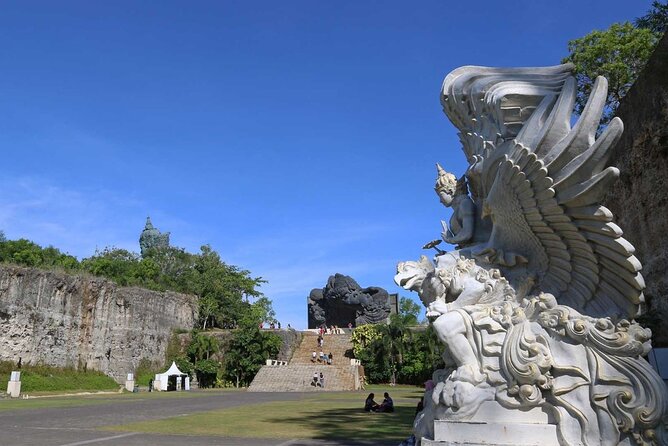
You can explore on foot, by Segway, or with a buggy service. Walking lets you notice smaller statues, garden details, and the changing view around the monument. It also gives you the most freedom to stop when you like.
The catch is distance. The park is large enough that a full walk may feel tiring, especially if you are trying to reach a show at a set time. A buggy service is scheduled about every 15 minutes, and it can be a practical choice rather than a luxury.
One useful warning is that buggy demand may affect your timing. A scheduled service helps, but it does not guarantee an instant ride. If you have booked a particular show or upper-statue visit, leave a buffer instead of arriving at the pickup point at the last minute.
A Segway may suit you if you want to cover more ground while keeping the visit active. The provided details do not specify its cost or route, so treat it as an optional add-on and confirm the price before starting.
Food and the Indonesian angle
The experience includes the chance to enjoy Indonesian heritage cuisine, though the supplied details do not specify a particular restaurant, menu, or meal inclusion. That means you should not assume food is covered by the basic ticket.
Food can make sense as part of a longer visit, especially if you arrive before several afternoon shows. Still, I would treat it as an optional part of the outing rather than the main reason to book. The strongest elements are the statue, performances, and park setting.
If you do eat here, use the meal as a pause between performance times. The park is designed as a cultural destination, so local dishes may add useful context, but the ticket price should be evaluated separately from any food purchase.
Is the $6.22 ticket good value?
At $6.22, admission is inexpensive compared with many major attractions. The price makes sense if you want the statue, outdoor spaces, and at least one included cultural performance. It is especially reasonable for a flexible half-day stop from Kuta.
The value drops if you expect a packed attraction with many included activities. The park’s main sights are concentrated around a few major statues, and upper-statue access or some shows may be extra. One blunt assessment found the site expensive for what was included, particularly when additional performances were not covered. That criticism is fair if you arrive without checking the inclusions.
I would think of the basic ticket as an entry pass to a large cultural park, not an all-access package. You are paying for the setting, the enormous central monument, the grounds, and the chance to plan around scheduled entertainment. The ticket is good value for a visitor who uses those features. It is less attractive for someone who only wants a quick photograph of the statue.
The current rating is 3.7 from three published opinions, which fits the mixed value picture. The park can be impressive and well run in parts, yet still feel costly if you expect more included content.
Weather, waiting, and practical comfort
Rain can change the experience quickly. A thunder shower once stopped further exploration and left people looking for help getting back to their car. Staff assisted with contacting the pickup vehicle, which is useful, but the episode also shows why you should not plan your entire visit outdoors without flexibility.
Carry rain protection if the forecast looks uncertain. If a storm arrives, your choices may narrow to waiting, cutting the visit short, or moving between covered areas. The exact shelter options are not specified, so do not count on staying dry everywhere.
Waiting is another practical concern. The upper-statue tour can involve roughly an hour of waiting, and that is a large share of a two to three hour visit. Decide in advance if the view is worth giving up a performance or more time in the park.
Most people can participate, and the attraction is near public transportation. Children under 100 centimeters enter free. The site is large, so the amount of walking or buggy use will shape how comfortable the visit feels.
Booking and ticket details that matter
Confirmation is sent when you book, but the booking confirmation from Viator or TripAdvisor is not the official admission ticket. The official ticket is sent within 24 hours. Check your email before setting out, especially if you are booking close to your intended arrival.
One ticket is valid for one person and one arrival time. That makes accuracy important. Do not assume you can use one ticket for several people or arrive at any time of day.
The experience is non-refundable and cannot be changed after booking. I would only pay once your date, number of people, and arrival time are settled. The low price is attractive, but the strict terms remove the usual safety net.
Who will enjoy GWK most?
I would recommend this for first-time visitors to Bali who want a straightforward introduction to an Indonesian cultural symbol. Families may appreciate the giant statue and open grounds, while photography fans get plenty of scale and detail to work with.
It also suits anyone who enjoys public art, mythology, and scheduled performances. You can make the outing as active or relaxed as you like, using a buggy, walking between areas, or adding a Segway ride.
I would be more cautious if you dislike large purpose-built attractions or want ancient architecture. GWK is modern and monumental. It offers cultural presentation rather than the atmosphere of a historic temple.
Should you book Garuda Wisnu Kencana?
Book it if the $6.22 entry price is clearly for the experience you want, and if you can spare two to three hours near Kuta. Aim for a performance time, allow space for the large grounds, and use the buggy if you want to cover more ground without a tiring walk.
Skip it if you only want a fast photo or if the extra costs for upper access and shows make the total price uncomfortable. The best visit is planned, not rushed: see the statue, catch a Balinese performance, and accept that GWK is a modern cultural park rather than a simple monument.
FAQ
Where is Garuda Wisnu Kencana located?
Garuda Wisnu Kencana Cultural Park is in Kuta, Indonesia, on Bali’s Bukit Peninsula.
How much does the experience cost?
The listed price is $6.22 per person. Extra activities or shows may not be included, so check the ticket details before booking.
How long does a visit take?
The approximate duration is two to three hours.
What is the main statue at GWK?
The main statue depicts Lord Wisnu riding Garuda, the mythical eagle and national emblem of Indonesia.
How tall is the Garuda Wisnu Kencana statue?
The statue is 120.9 meters tall and has a 64-meter wingspan.
Who created the statue?
The statue was created by Balinese artist Nyoman Nuarta.
Are cultural performances offered every day?
Yes. Balinese cultural performances are scheduled every day, with times listed from 11:00 WITA through the 18:00 Kecak performance.
What time is the Kecak performance?
The Kecak performance titled Garuda Wisnu Kencana is scheduled for 18:00 WITA at Lotus Pond.
Are children admitted free?
Children under 100 centimeters are free of charge.
Is the booking refundable or changeable?
No. The experience is non-refundable and cannot be changed for any reason.
Fresh Bali write-ups
- Nusa Penida 4 Spot Snorkeling with Manta and Island Tour★ 4.5 · 11 reviews
- Your Fragrance Selection: Bali Perfume Workshop and Creations★ 5.0 · 3 reviews
- West Nusa Penida Day Trip★ 5.0 · 8 reviews
- Bali Atv Riding through Cave and Waterfall★ 5.0 · 18 reviews
- Experience West Nusa Penida Private Tour★ 4.5 · 14 reviews
- Bali Breathtaking Waterfall Tour★ 5.0 · 5 reviews
- Waterbom Bali Tickets – Single Day Pass★ 5.0 · 5 reviews
- Bali Halfday Tour Uluwatu★ 5.0 · 5 reviews
Bali Temple Tours from Kuta, compared.
Private Uluwatu Temple and Kecak Fire Dance Evening Tour in Jimbaran Bay
Read our review →
Uluwatu Temple Entry and Kecak Fire Dance Ticket
Read our review →
Private Tour Bali Beaches and Uluwatu Temple with Dinner
Read our review →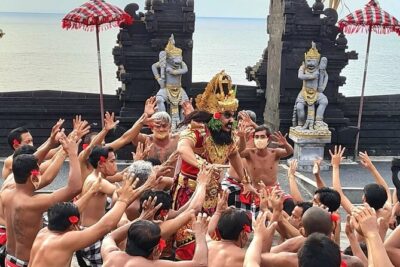
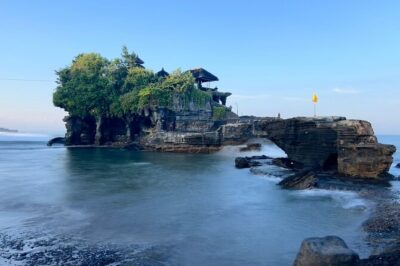
Tanah Lot Tour: Discover Bali’s Iconic Temple and Stunning Views
Read our review →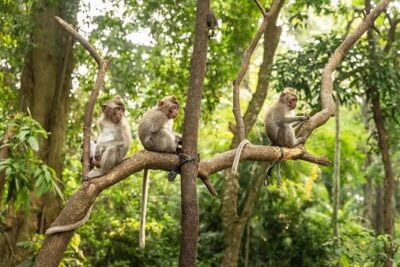
Ubud Monkey Forest – Rice Terrace – Jungle Swing – Water Temple
Read our review →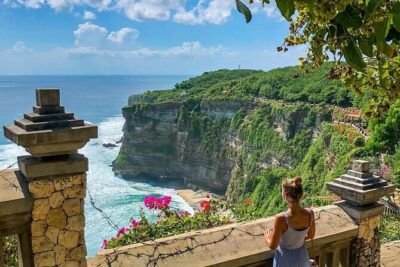
Kecak Fire Dance and Sunset at Uluwatu Temple All Inclusive
Read our review →
Browse the lists this tour appears in